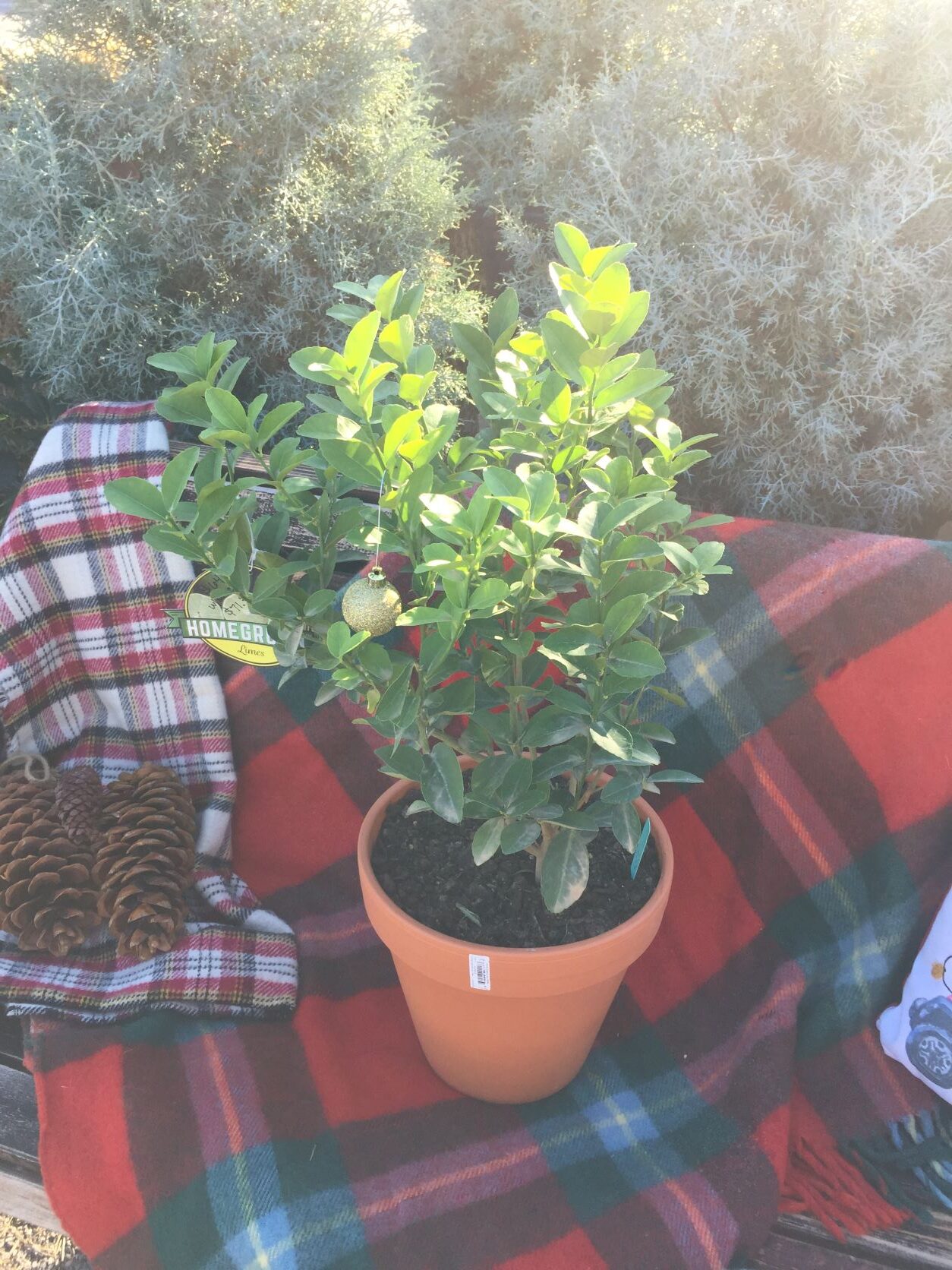
Mexican key lime (Citrus aurantifolia), also known as key lime, bartender’s lime, and West Indian lime, is a moderately sized, evergreen fruit tree. It grows vigorously once you plant it in the ground, reaching heights of 6 1/2 to 13 feet (2 to 4 m.) tall. Mexican key lime trees have fragrant flowers with deep green leaves and the yellow-green limes that are about the size of a golf ball. This will need to be planted in a pot and brought inside for the winter- can not handle our cold winters.
Related products
-
 Read more
The genus, in the peppercorn family Piperaceae, is home to over a thousand species of diverse plants—including popular houseplants such as the Watermelon Peperomia, Ripple Peperomia, Baby Rubber Plant, and more. The family Piperaceae belongs to an ancient lineage of flowering plants known as Magnoliids. These plants are mostly tropical, and are the source of…
-
 Read more
The gorgeous trailing Hoya is a firm houseplant favourite and is our June 2019 Luxury pet-friendly plant of the month. If you’re an existing subscriber, one of these will be winging its way to you during the first week of June. If you aren’t yet a subscriber, you can sign up here. The plants we’ve gotten…